Tactile Literacy Workshop Held Within the Scope of Science Café Events
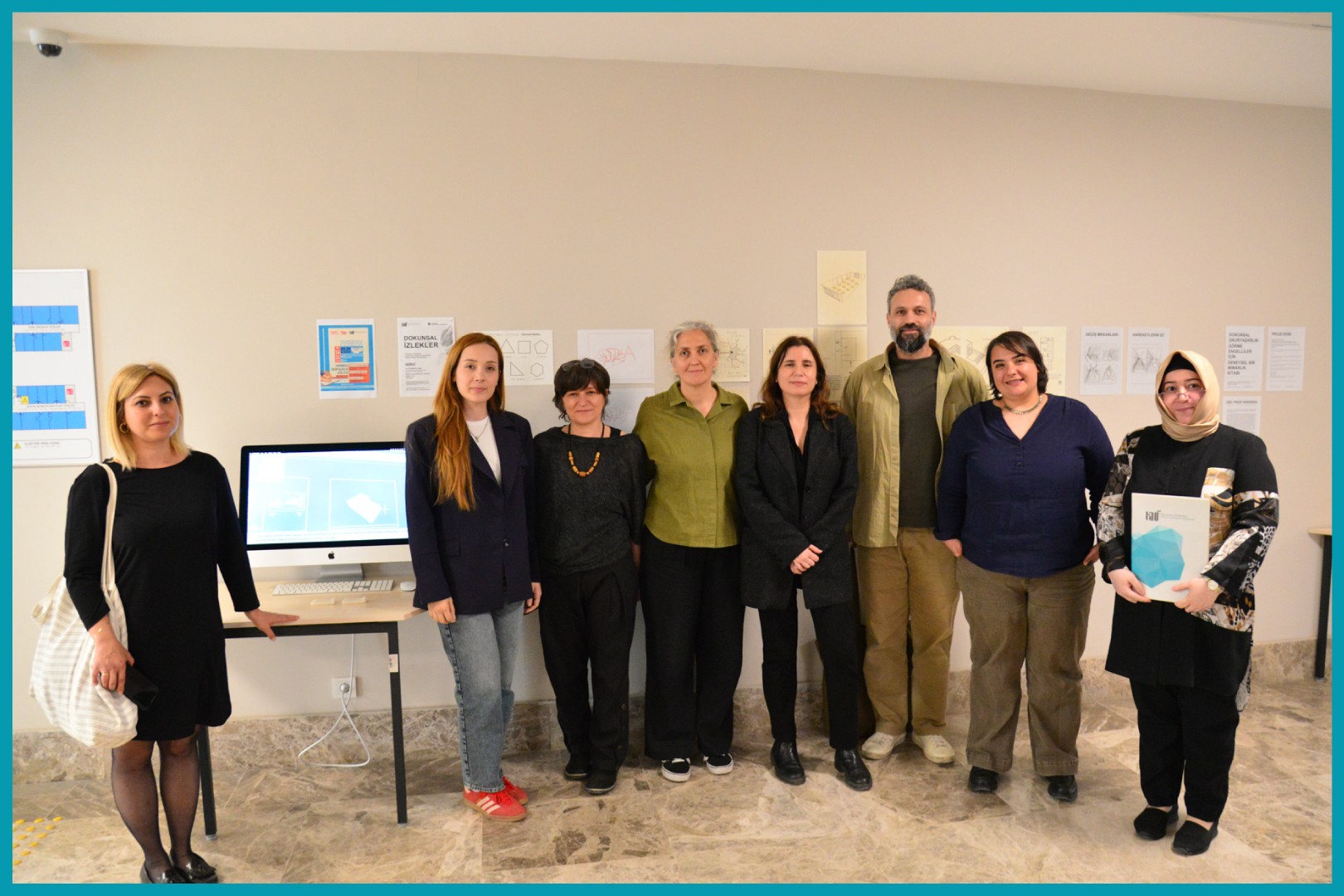
As part of the Science Café events organized by our Communication Coordination Office’s Science Communication Office, a Tactile Literacy Workshop was held on May 14, 2026, in the Meeting Room of the Faculty of Cultural and Social Sciences under the project titled “Tactile Literacy: An Experimental Architecture Book for the Visually Impaired.”
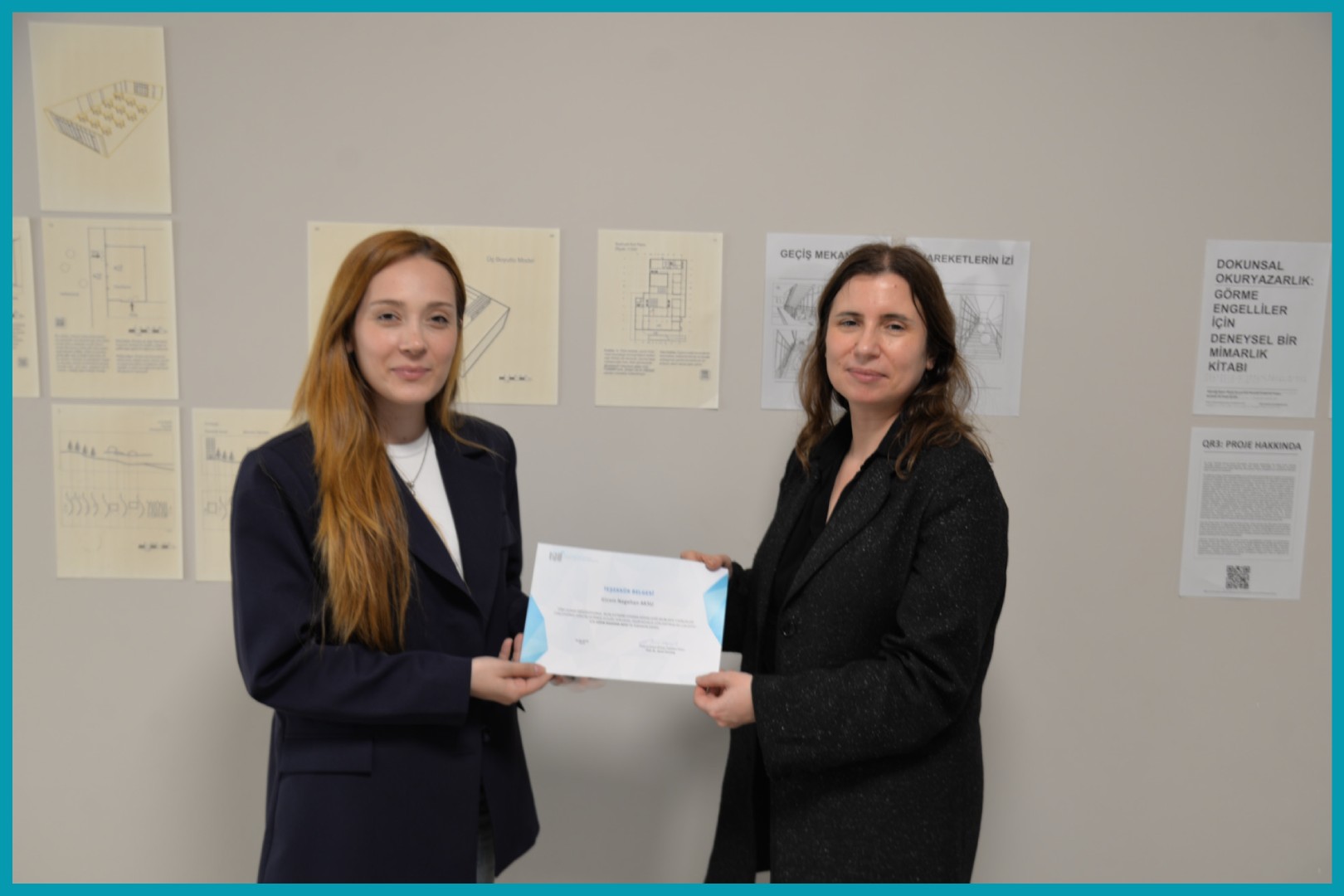
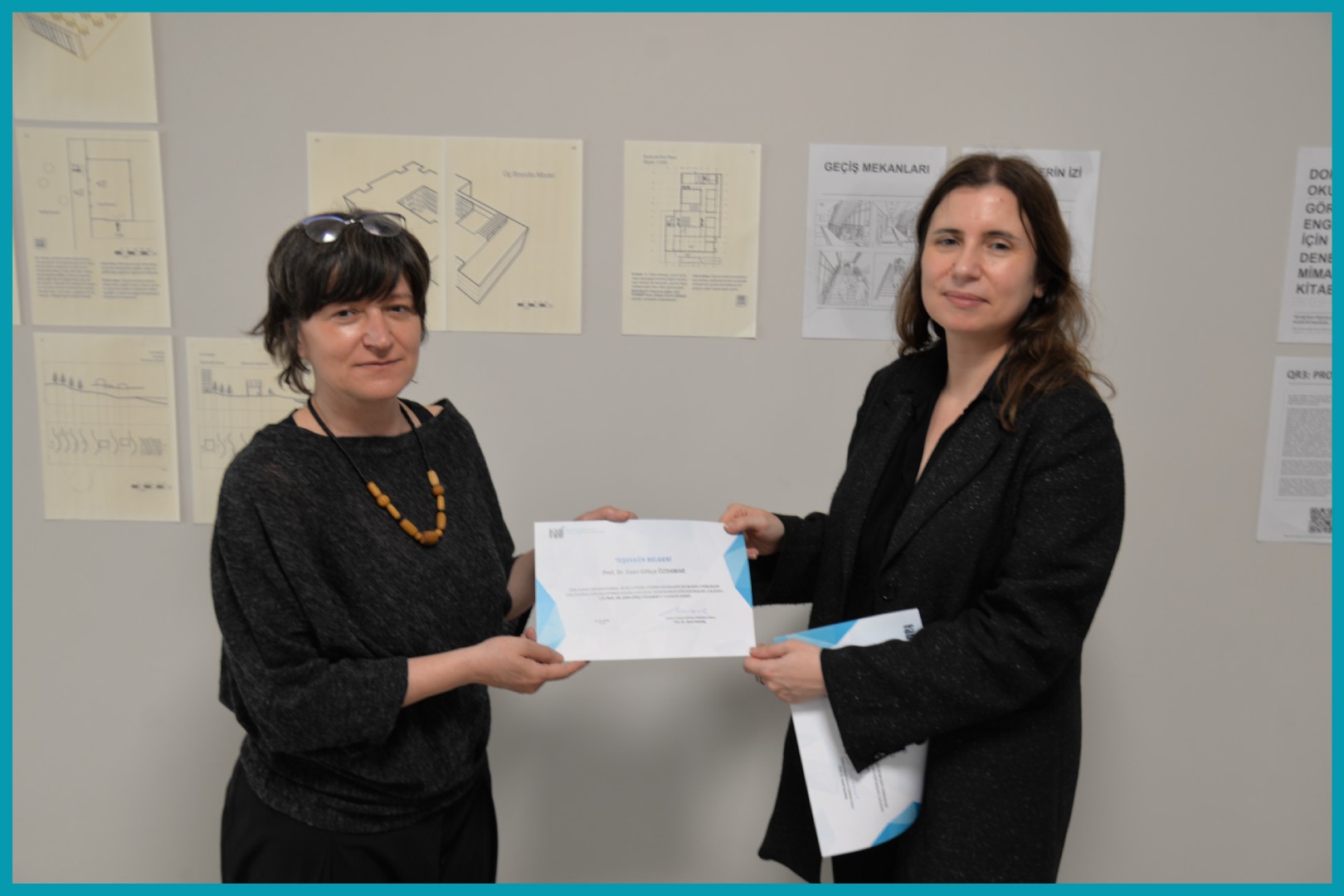
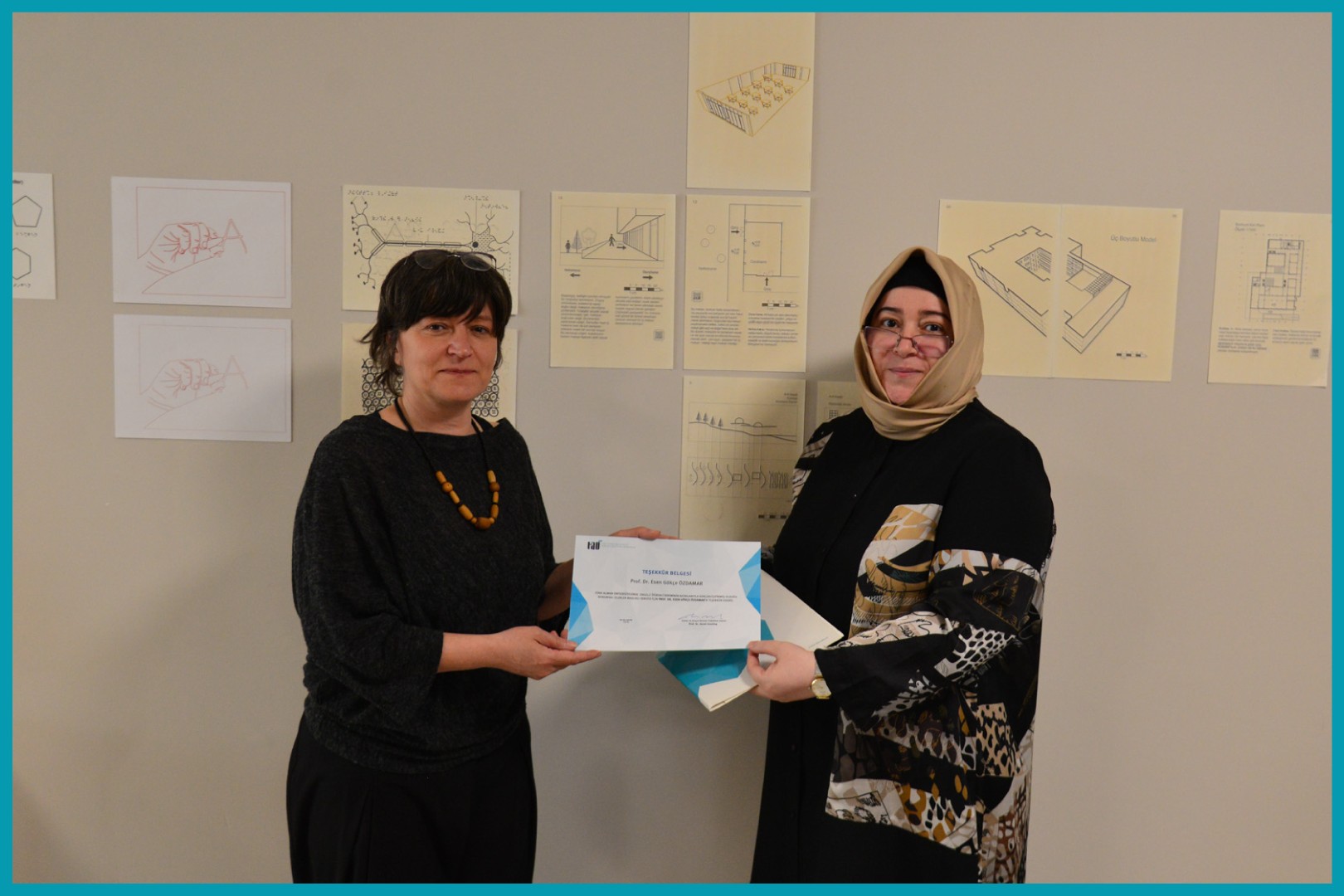
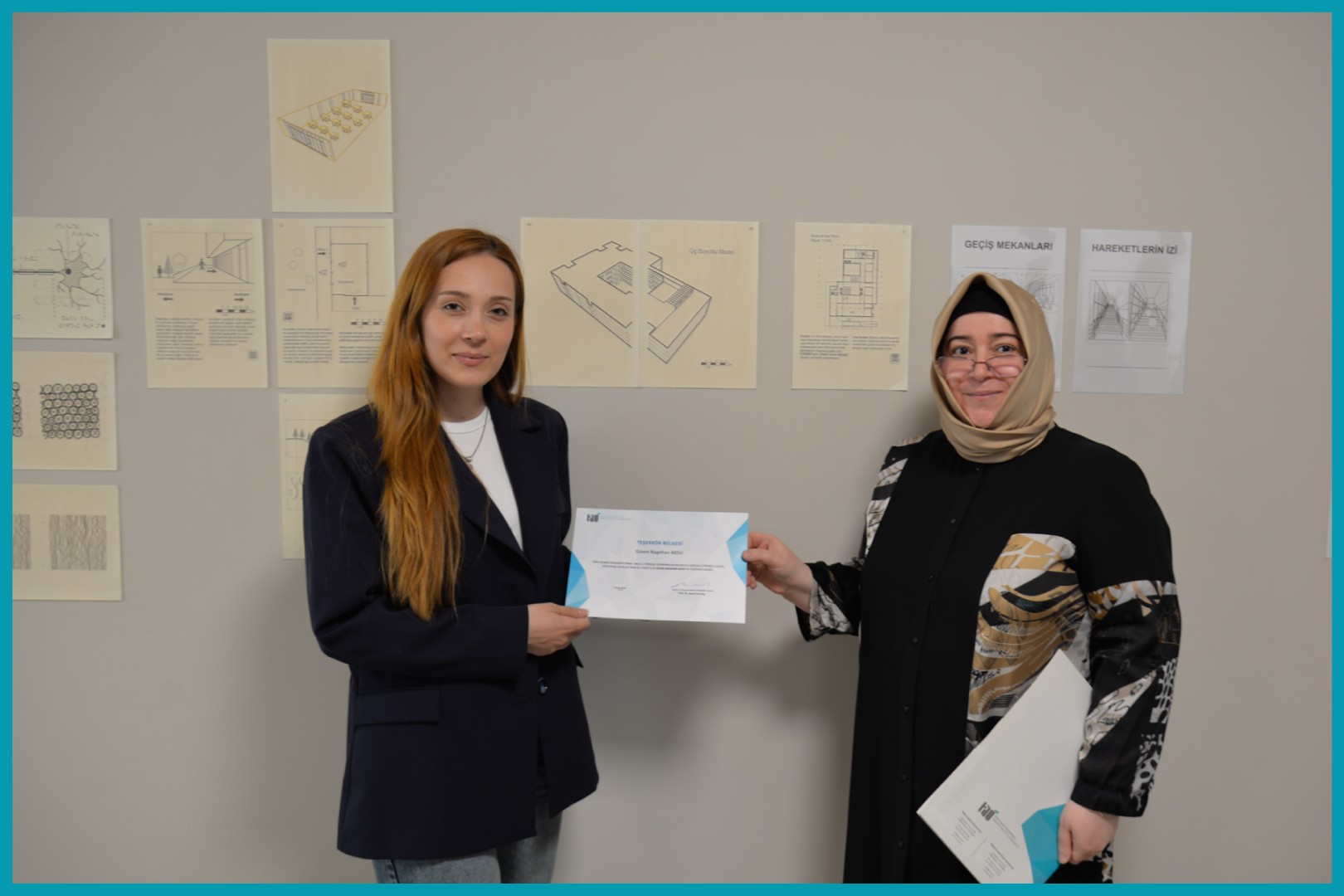
The workshop was attended by Prof. Dr. Esen Gökçe Özdamar and Gizem Nagehan Aksu from the Department of Architecture at Tekirdağ Namık Kemal University, as well as Assoc. Prof. Dr. Başak Kaptan Şiray from our University’s Department of Culture and Communication Sciences. The workshop aimed to facilitate the experience of architecture and fundamental design principles through multisensory and tactile methods. Bringing together visually impaired and sighted participants in a shared space of creation and exploration, the event explored the idea that space can be perceived not only visually but also through bodily, tactile, and temporal dimensions.
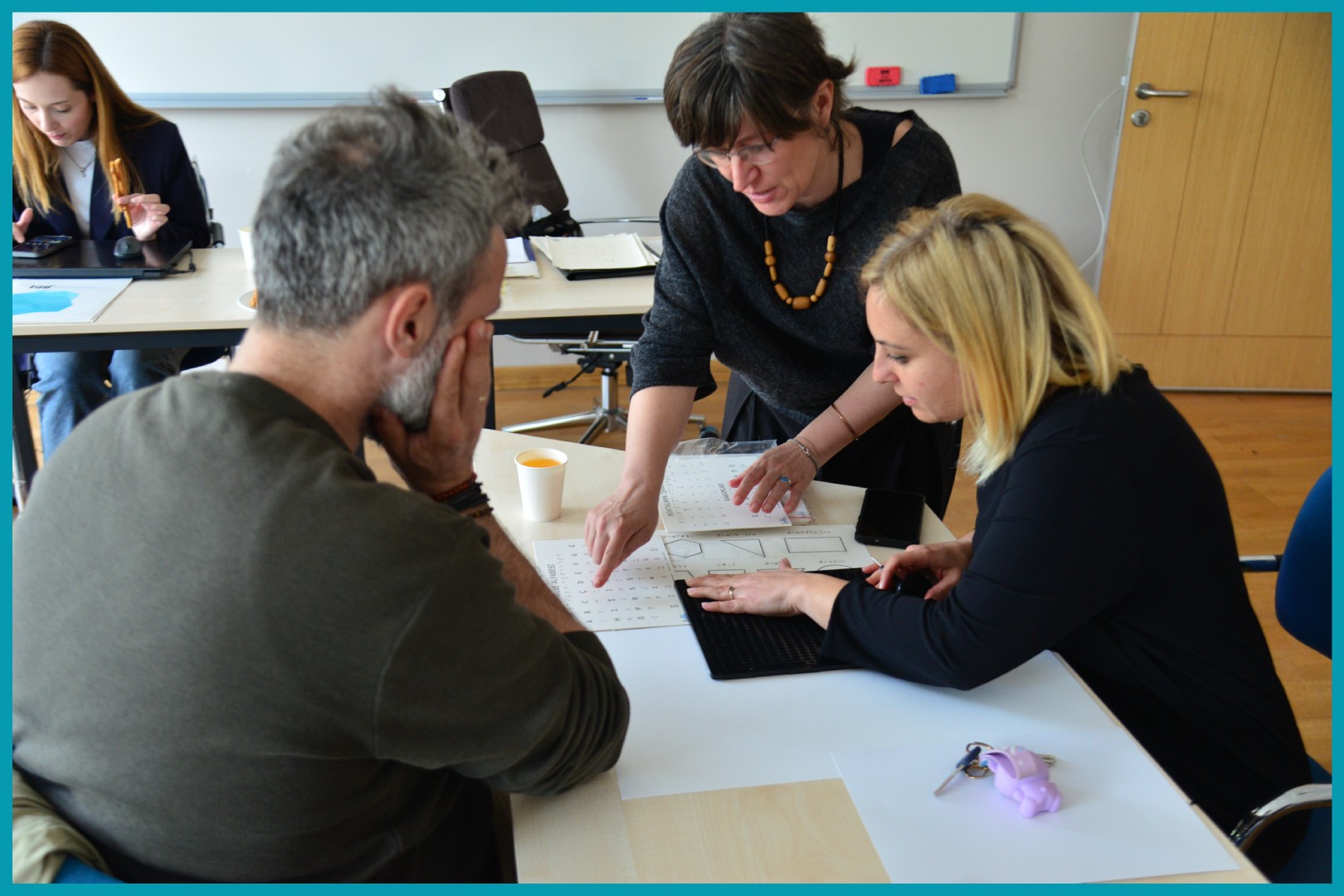
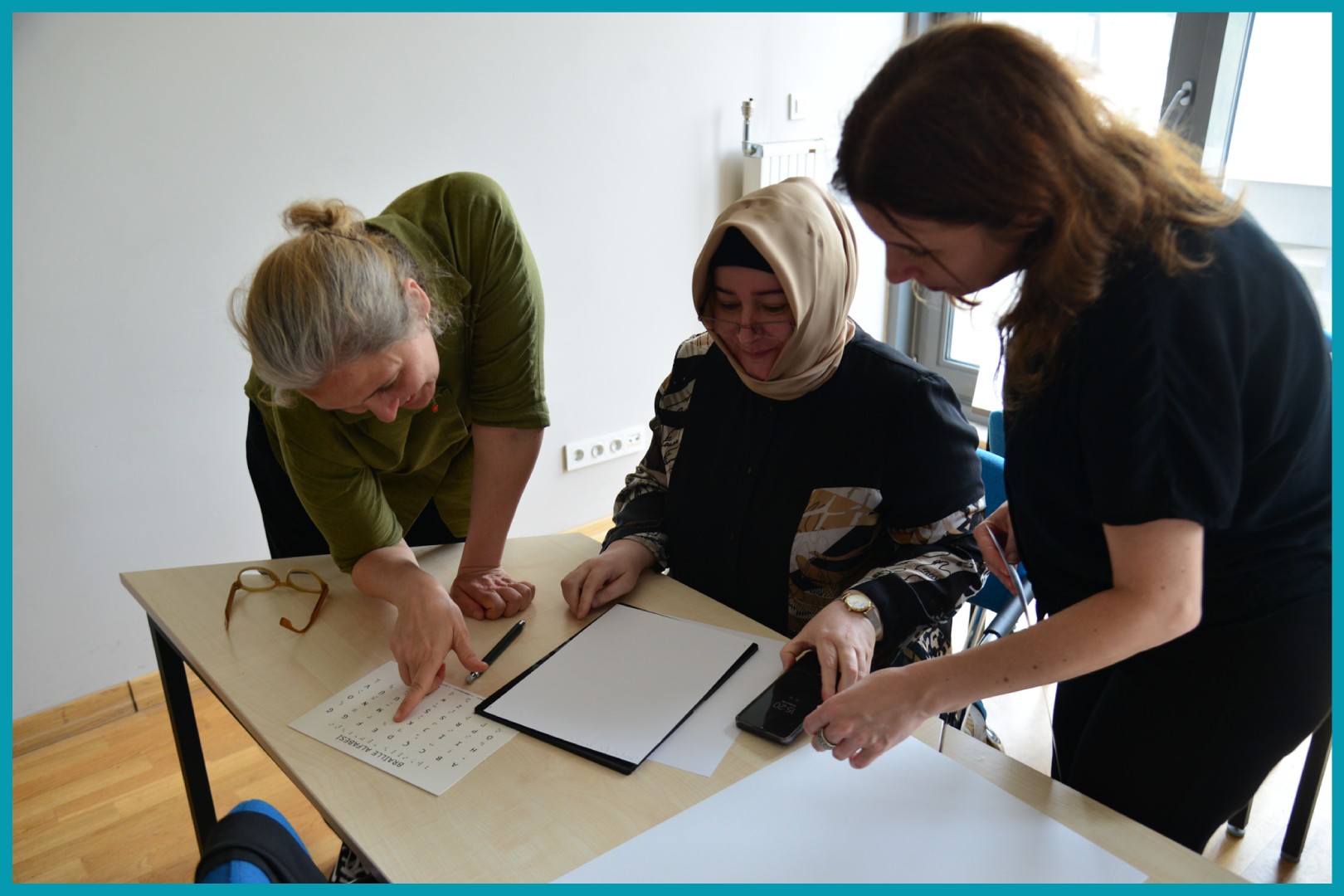
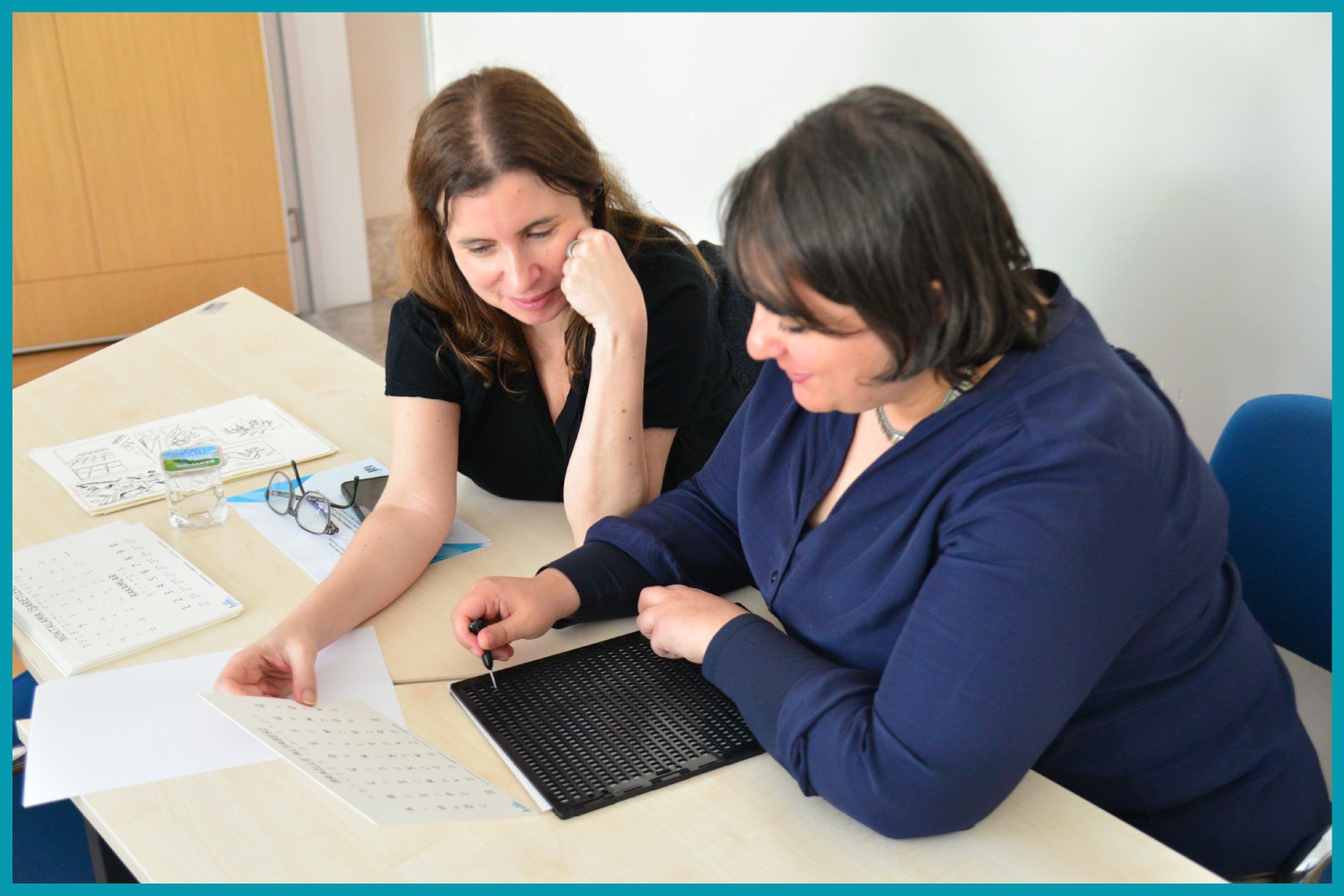
During the workshop, participants engaged in hands-on activities using clay, relief techniques, Braille styluses, and three-dimensional production tools. Through the creation of prototypes and tactile models, they experienced fundamental spatial concepts such as scale, void, surface, and rhythm, while also practicing tactile drawing and small-scale model making.
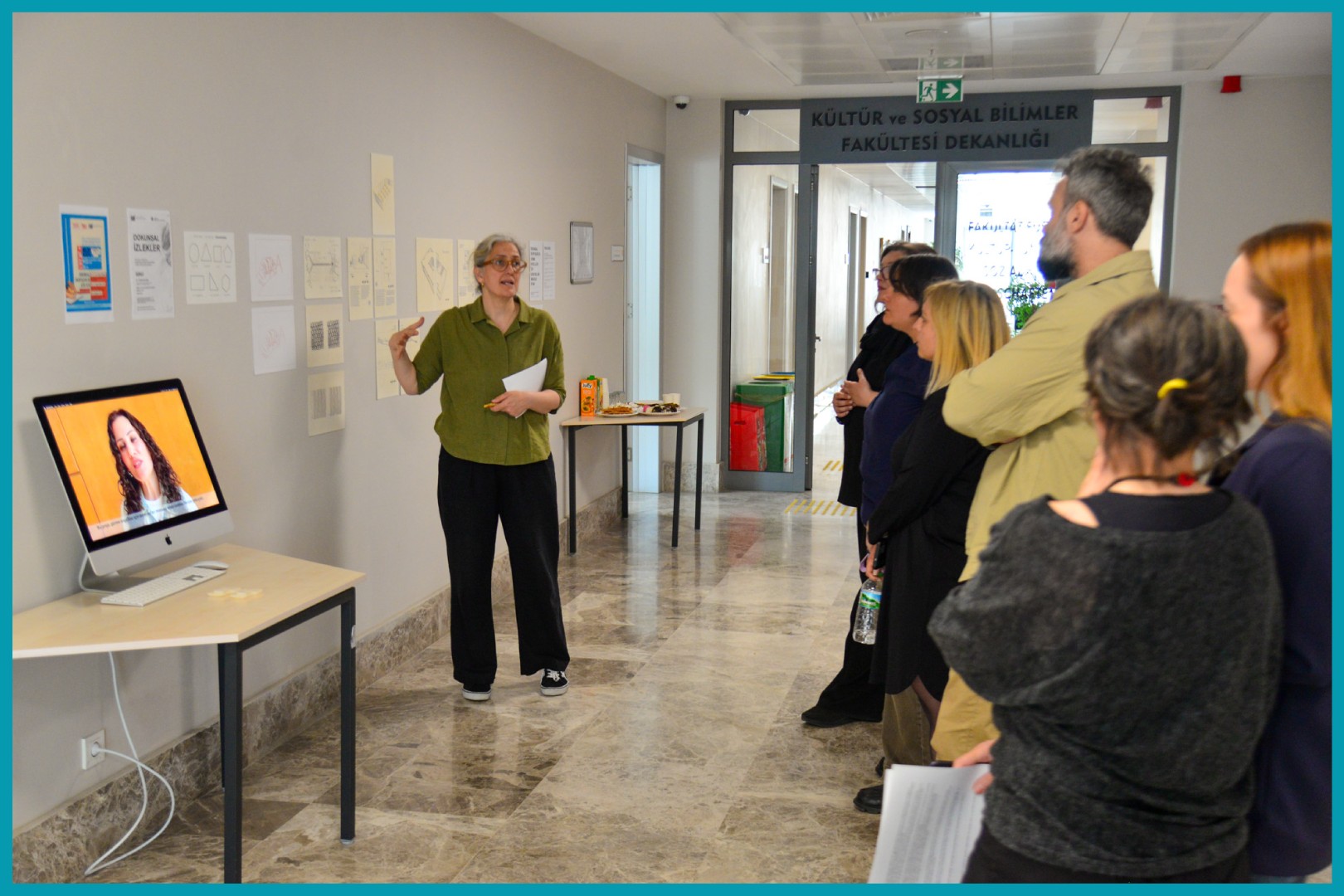
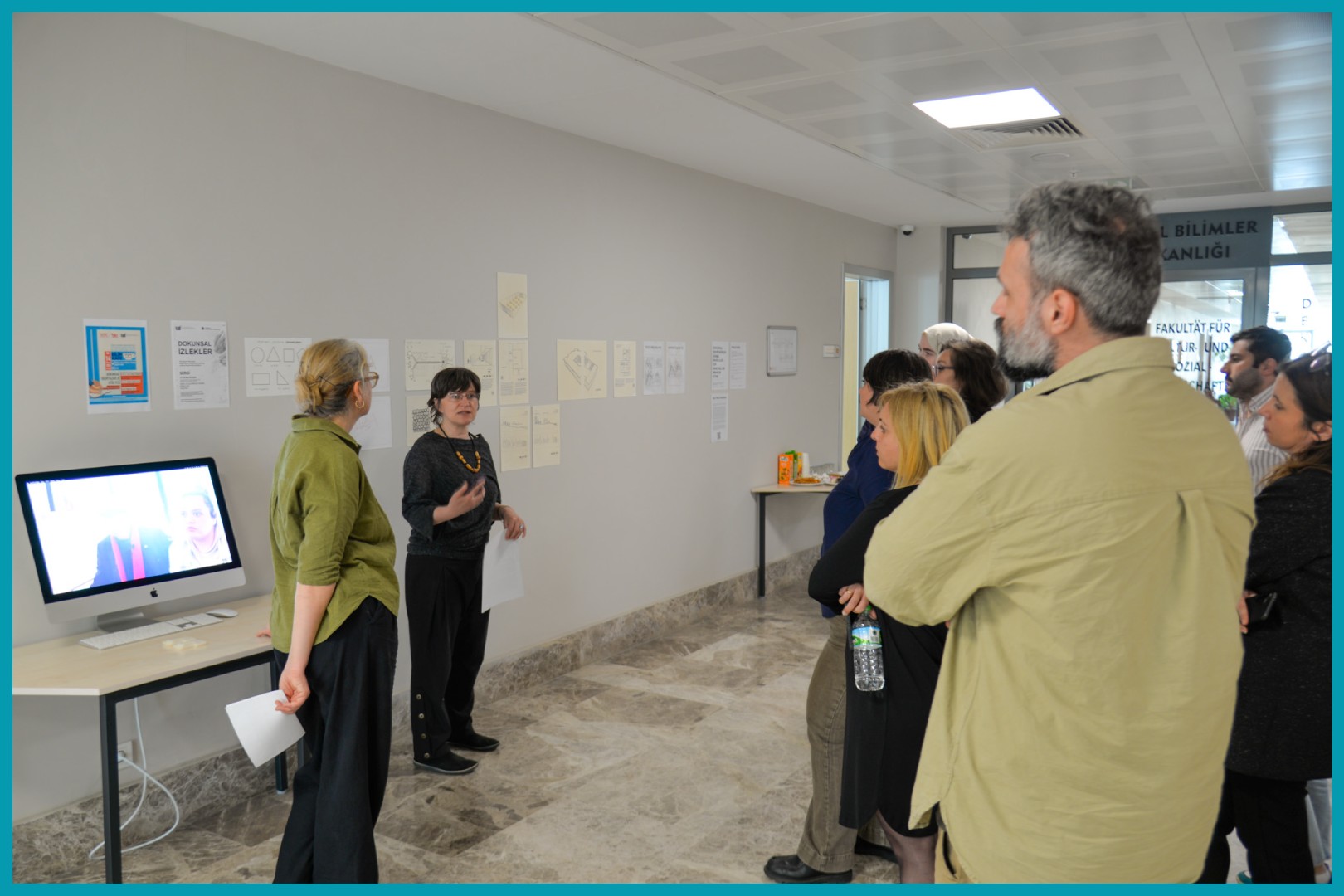
Presenting her speech at the event, Assoc. Prof. Dr. Başak Kaptan Şiray noted that architecture is often regarded as a predominantly visual discipline; however, the experience of space is not solely dependent on sight. She further emphasized that approaches centered on touch and embodied experience hold significant potential, particularly for understanding how visually impaired individuals perceive and interact with space.
The workshop also highlighted the need to reconsider vision-centered approaches in architecture and design education. Participants exchanged ideas on alternative models of spatial literacy that prioritize touch, movement, and sensory experience.
The event, which attracted considerable interest from participants, concluded following the practical activities and evaluation sessions.